Integrated Orchard Cultivation Solutions
Complete Orchard Solutions for Cleaner Floors, Efficient Irrigation and Better Crop Protection
AI Quick Overview
A Long-Term Orchard System Built Around Trees, Soil and Climate

Orchard Floor and Root-Zone Management
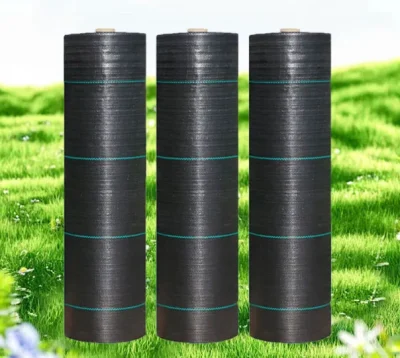
Combine permeable weed-control fabric, selected mulch film and drip irrigation to suppress weeds, reduce evaporation and deliver water near the active root zone. Fabric GSM, roll width, emitter spacing and flow are matched to tree spacing, soil and orchard life cycle.
Canopy Protection and Young-Tree Support
Combine insect netting, shade netting, mulch or weed-control fabric, drip irrigation and fiberglass supports into one coordinated growing system. Each component is matched to ventilation, pest pressure, water demand, row layout and installation method.

Solution Categories
Materials Organized Around the Main Jobs in an Orchard
Select the product combination according to orchard age, row layout, weed pressure, irrigation design, target pests, solar exposure and expected service life.
01
Orchard Floor and Weed Management
Woven or non-woven weed-control fabric and selected mulch films for weed suppression, moisture retention, cleaner fruit zones and easier row maintenance.
02
Drip Irrigation and Root-Zone Watering
Drip tape or dripline configurations selected by tree spacing, soil wetting pattern, row length, terrain, flow requirement and operating pressure.
03
Insect, Bird and Solar Protection
HDPE insect and shade nets configured by target pest, airflow, light demand, shade rate, wind exposure and local UV intensity.
04
Young-Tree Support and Seasonal Covering
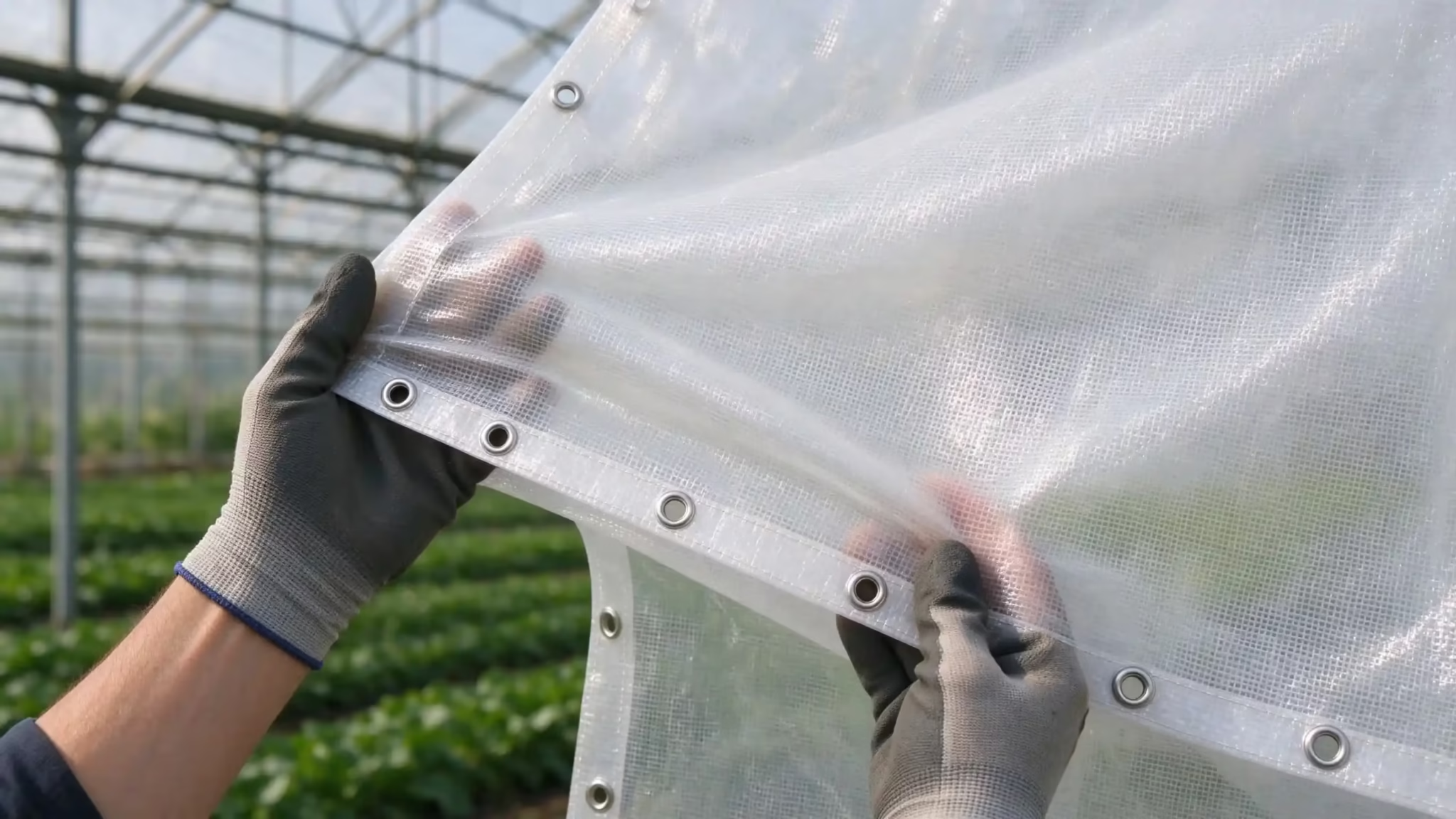
Fiberglass rods for young-tree and net supports, plus film options for fruit nurseries, rain shelters or temporary seasonal protection where the project requires them.
Complete Farming Packages
Packages for Orchard Establishment, Maintenance and Protection
Start with the orchard stage and operating problem, then adjust material, GSM, width, mesh, shade rate, emitter spacing, flow, UV level, roll format and packaging.

Complete Farming Packages
From Low Tunnels to Commercial Protected-Cropping Projects
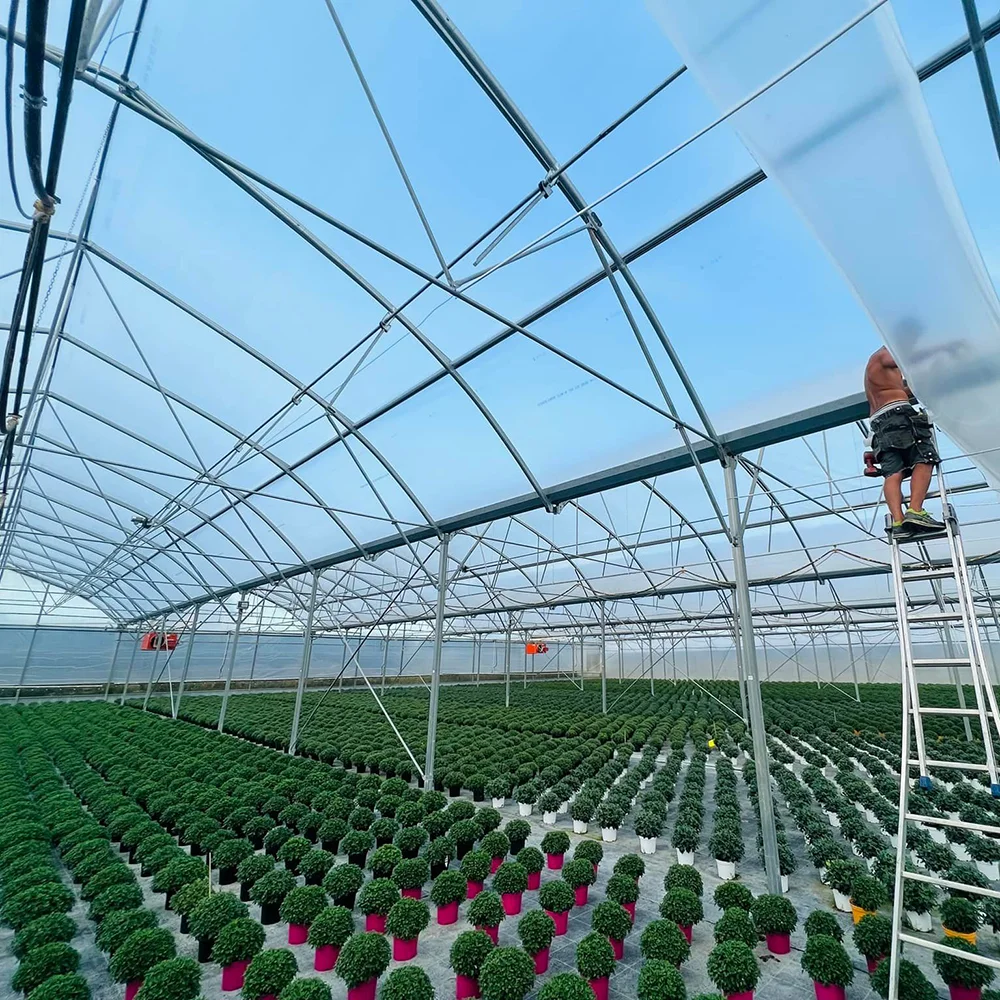
Choose a starting package, then adjust dimensions, performance functions, colors, roll lengths, packaging and labeling for the destination market or farm design.

01
Young-Tree Establishment Package
For newly planted orchards: weed-control fabric or mulch, drip irrigation, fiberglass supports and optional insect or shade protection. Dimensions and performance are matched to tree spacing, row length and the establishment period.
02
Commercial Orchard Floor and Irrigation Package
For mature commercial rows: durable weed-control fabric, root-zone drip irrigation and application-specific ground covering. The package focuses on weed suppression, water placement, maintenance access and repeatable row specifications.

03
Protected Orchard and High-UV Package
For strong sun, heat, wind or pest pressure: UV-stabilized insect or shade net, suitable support materials, ground cover and irrigation. Mesh and shade rate are selected without ignoring the airflow and light required by the fruit crop.
Why Choose Our Solutions
One Orchard Brief, One Coordinated Material Plan
A useful orchard solution should reduce mismatched specifications and unnecessary materials while keeping future replacement and expansion orders easier to repeat.
01
Integrated Orchard Sourcing
Coordinate ground cover, irrigation, protective netting, supports and seasonal covers through one project specification.
02
Site-Specific Configuration
Configure products by fruit crop, orchard age, tree and row spacing, soil, terrain, pest pressure and climate.
03
Service-Life Matching
Choose weed-control fabric by permeability, GSM, UV exposure and intended years of use—not simply by the lowest price per roll.
04
Balanced Canopy Protection
Balance pest exclusion and solar protection with the airflow and light required by fruit trees and flowering or ripening stages.
05
Clear Quality Requirements
Define dimensions, GSM, tensile properties, water permeability, mesh, shade rate, emitter flow and other acceptance criteria before production.
06
Export and Project Coordination
Coordinate roll lengths, labels, packing and loading for distributor ranges, trial blocks and commercial orchard projects.
Solution Process
How We Configure an Orchard Cultivation Solution
A five-step workflow turns orchard conditions into an auditable material list before production begins.
01
Define the Orchard Conditions
Share the fruit crop, orchard age, planting area, tree and row spacing, terrain, soil, climate, target pests, water source and expected service life.
02
Map the Required Functions
Determine which zones require weed control, irrigation, canopy protection, young-tree support, nursery film or seasonal rain covering.
03
Approve the Product Specification
Confirm materials, dimensions, GSM, mesh, shade rate, emitter spacing and flow, UV requirements, roll formats, labels and samples.
04
Produce and Inspect
Produce and inspect agreed characteristics such as dimensions, tensile performance, water permeability, shade rate and emitter-flow consistency.
05
Deliver and Standardize Reorders
Coordinate packing and shipment documents, then retain the approved row and product specifications for replacement or orchard expansion.

Representative Project Configuration
Integrated Establishment Package for New Commercial Orchards
A distributor supporting newly established fruit orchards required a coordinated assortment for weed management, root-zone irrigation and early tree protection. The proposed configuration combined weed-control fabric, drip tape, fiberglass supports and application-specific netting, with roll and emitter specifications aligned to the row layout. This is a representative configuration; replace it with verified customer results before publishing it as a completed case study.
4
Coordinated
Product
Categories
Young Trees
Primary Orchard Stage
Rows + Soil + Climate
Configuration Basics
Frequently Asked Questions
Orchard Cultivation Solution FAQs
Final specifications should be confirmed against orchard age, fruit crop, soil, climate, pest pressure, irrigation design and installation method.
What information is needed to configure an orchard solution?
Provide the fruit crop, orchard age, planting area, tree and row spacing, terrain, soil type, climate, pest pressure, water source and quality, expected service life and order quantity. Row drawings and site photos make specification work more reliable.
Which weed-control fabric GSM is suitable for orchards?
Common options range from approximately 50 to 150 gsm. Lighter grades suit shorter-term or lighter-duty use, while higher GSM can provide greater strength and longer service when the UV formulation and installation are also suitable. GSM alone does not determine life; sunlight, soil, traffic and fastening matter too.
Should an orchard use mulch film or weed-control fabric?
Use mulch film when seasonal soil warming, moisture retention or localized weed suppression is the priority. Use permeable weed-control fabric when longer-term weed control, drainage and access between or around rows matter. Some projects use both in different orchard zones.
How should orchard drip irrigation be selected?
Emitter spacing and flow must follow tree spacing, soil infiltration, root-zone width, row length and terrain. Available references include 10–50 cm spacing and 1–8 L/h flow options, but mature trees may require multiple emitters or a dedicated dripline design rather than a generic vegetable-row layout.
How do I choose insect net and shade net for fruit trees?
Select insect mesh by the smallest target pest while checking ventilation and pollination requirements. Select shade rate by crop sensitivity, solar intensity and fruit-development stage. Excessively fine mesh or heavy shade can create new production problems, so higher specifications are not automatically better.
What quality items can be checked before shipment?
Inspection can cover roll dimensions, GSM, tensile properties, water permeability, UV-related requirements, mesh, shade rate and emitter flow. Relevant methods may include ISO, ASTM or EN standards listed in the product documentation; the exact test and acceptance criteria should be agreed before production.